The Global Adjustment ballooned
It pays generators the difference between market prices and their contract prices. Ontario's Auditor General forecast consumers would pay $133 billion in Global Adjustment from 2015 to 2032.20

Energy That's Better · Net zero by 2050
Canada has committed to net zero by 2050. Ontario already needs more electricity than it can reliably supply in the years ahead, and power has become expensive to produce. Homes that waste less, make their own clean power and give back to the grid are part of the answer.
How it works at home
Use the switches in each diagram to see the difference between winter and summer, before and after, and day and night.
A heat pump moves heat instead of burning fuel: into your home in winter and out of it in summer.
Insulation, efficient windows and sealed doors cut heat loss, so every system in the home has less work to do.
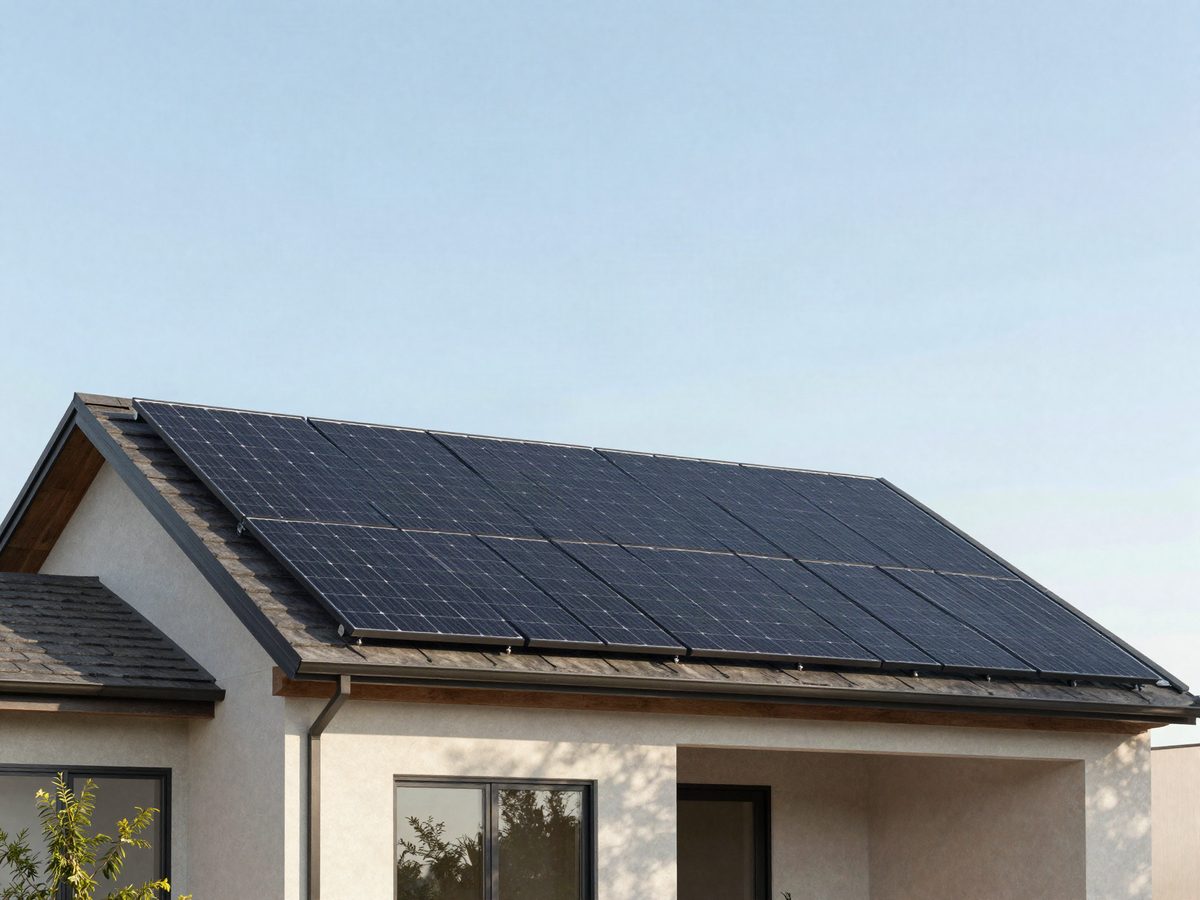
Solar panels power the home by day, a battery stores the extra for the evening, and an EV charges at home.
What net zero means
Net zero by 2050 means Canada removes as much greenhouse gas as it emits. The path runs through electricity: make the grid clean, then use that power to heat homes and move vehicles instead of burning fuel.
The catch
More electrification means more demand
Heat pumps, electric vehicles, industry and data centres all add load at the same time. Ontario's grid operator forecasts demand growing 65% by 2050, and up to 92% if electrification speeds up.6
The problem: not enough power
Rising demand, expiring supply contracts and nuclear reactors offline for rebuilds mean Ontario needs new power soon. The warnings aren't new: in 2019 the grid operator already expected a capacity need to arise in 2020 and grow by 2023.15
Two of Ontario's oldest reactors close.1
Ahead of schedule and under budget, adding about 30 years of service.2
Removed from service ahead of a $26.8 billion rebuild.3
The first of four BWRX-300 units at Darlington, 1,200 MW for the fleet.5
8.5 TWh of new energy needed by 2032, rising to 37 TWh and 3,800 MW of capacity by 2040.6
Your bill: expensive electricity
Ontario's electricity prices climbed for more than a decade, and a charge most people have never heard of became the biggest part of the commodity cost on many bills.
Before provincial rebates. The 2017 dip came from the Fair Hydro Plan, which moved costs off bills rather than lowering them.19
It pays generators the difference between market prices and their contract prices. Ontario's Auditor General forecast consumers would pay $133 billion in Global Adjustment from 2015 to 2032.20
Ontario's Ultra-Low Overnight plan, effective November 1, 2025.11
Regulated time-of-use prices per kWh, before rebates.17
Taxpayer-funded programs have kept electricity bills below their true cost.1921 Read more →
The problem: subsidies
Since November 1, 2025, the Ontario Electricity Rebate covers 23.5% of household, small business and farm bills, about $36 a month for a typical home.1122 Subsidies keep bills manageable, but they don't lower the real cost of the power system; they move it onto the provincial budget.
In early 2020, projected electricity subsidies jumped to $5.6 billion a year, $1.6 billion more than expected just months earlier.19
What's needed
No single fix closes the gap. It takes new clean power, a bigger grid, and homes and vehicles that use energy far better.
Nuclear refurbishments and new reactors, plus wind, solar, hydro and storage. Canada's plan projects 150 GW of new firm generation by mid-century.8
Double the capacity of Canada's grid by 2050, with more transmission and storage.8
Ontario's 2025-2027 program targets 900 MW of peak demand savings, the cheapest power is the power we don't need.6
Retrofits, heat pumps in place of fossil-fuel heat, and no oil heating in new buildings from 2028.9
75% of new vehicle sales electric by 2035 and 90% by 2040.10
130,000 high-skilled workers needed to build Canada's electricity system by 2050.8
Smart homes & smart cities
The grid of the future runs both ways. A smart home with a heat pump, solar and a battery can use far less power at peak, produce its own clean electricity, and send the extra to the grid. Multiply that across a neighbourhood and a city, and homes become part of the solution to Ontario's supply gap.
Send renewable electricity you don't use to your utility's grid and receive credits on future bills. Credits offset the electricity you use and carry forward for up to 12 months.7 Ontario also offers up to $5,000 for solar and up to $5,000 more for battery storage bundled with solar.23
Smart cities & the future
Toronto aims for net-zero community emissions by 2040, including more heat pumps and more efficient buildings.13 Ottawa's Energy Evolution strategy targets net zero community-wide by 2050, and 2040 for the City's own operations.14
The grid of the future is two-way. Smart meters and time-of-use pricing reward using power off-peak, batteries store clean energy for when it's needed, and homes with solar help supply their neighbourhoods.
Better for everyone
Efficient, electric homes cut wasted energy and the emissions that come from burning fuel.
Heat pumpsHomes that use less at peak and give power back ease pressure on the local grid, and build skilled local jobs.
CareersMore comfort and more control over energy costs, with rebates of up to $10,000 on qualifying upgrades.
RebatesA senior energy management consultant reviews your home's energy signature and time-of-use pattern first.
How it worksDo your own research
Dig into the supply gap, prices, subsidies and the technology behind homes that give back, with sources for every figure.
Book a free assessment by phone. We'll show you how your home can use less, make more and qualify for rebates.
Figures are as reported by the sources listed, at the dates shown. Older figures are included for historical context. Canadian Energy Standard is an independent company, not affiliated with any government, utility, generator or energy retailer named here.